
Web Tech
Why Is Website Security So Important?

Your website isn’t just a collection of pages on the internet. It’s your brand’s identity, your sales channel, and often the very first impression you make on potential customers. Yet, despite how central it is to business success, website security is often overlooked — until something goes wrong.
Let’s take a closer look at why website security is so important, what can go wrong when it’s ignored, and how to make sure your site stays safe.
What Is Website Security?
Website security is the practice of protecting your site from cyber threats, data breaches, and downtime. At its core, it’s about keeping hackers out, protecting sensitive information, and ensuring your website continues running smoothly for visitors.
A secure website not only keeps your data safe, but also reassures your customers that you take their privacy seriously. It’s what allows them to confidently enter their details, make purchases, or contact you without hesitation.
Think of it as locking the doors to your business at night — it’s not optional, it’s essential.
Understanding Website Security Risks
Just like a house has different points of entry, websites have multiple vulnerabilities that hackers can exploit. Some of the most common risks include:
- Malware: harmful code that can damage files or steal data.
- Phishing attacks: scams designed to trick users into handing over sensitive information.
- DDoS attacks: floods of fake traffic that make your site unavailable.
Weak passwords or outdated plugins: easy entry points for attackers.
The consequences can be severe — stolen customer information, a damaged reputation, lost sales, and costly downtime.
Why Website Security Is Just as Important as Design
A sleek, modern website design can grab attention. But if your site isn’t secure, design won’t matter for long. Visitors who see “Not Secure” warnings in their browser won’t stick around. Search engines may penalize your site, and word of a breach can spread quickly.
Great design attracts visitors, but great security keeps them there. Without it, even the most beautifully designed site risks being abandoned.
The Hidden Costs of Neglecting Security
It’s easy to assume a website hack is just a technical headache. In reality, the damage can spread far beyond the digital world.
Here’s what neglecting website security could cost you:
- Reputation: once customers feel their data isn’t safe, trust is difficult to rebuild.
- Revenue: downtime, blacklisting, and browser warnings all mean fewer sales.
- Recovery: cleaning up malware and restoring systems is almost always more expensive than prevention.
In short, a breach can hit your business where it hurts most — financially and publicly.
What Does a Website Need to Be Secure?
A truly secure website doesn’t rely on a single fix. It’s built with layers of protection that work together.
Every website should have:
- SSL certificate to encrypt visitor data.
- Daily backups so recovery is fast and stress-free.
- Firewalls and malware scanning to block suspicious activity.
- Regular updates for plugins, themes, and software.
- Strong authentication with secure passwords and multi-factor logins.
Think of it as adding locks, alarms, and cameras to your online business — one safeguard is never enough on its own.
Your Role in Website Security
Even with the best tools in place, website security isn’t completely automatic. Business owners play an important role in keeping their sites safe. Some simple best practices include:
- Using strong, unique passwords.
- Only installing trusted plugins or themes.
- Limiting admin access to those who truly need it.
- Staying on top of updates instead of letting them pile up.
Security is a shared responsibility: technology provides the foundation, but good habits keep it strong.
Final Thoughts
Website security isn’t a one-time project — it’s an ongoing commitment. Just as you maintain your car with oil changes and inspections, your website needs consistent care.
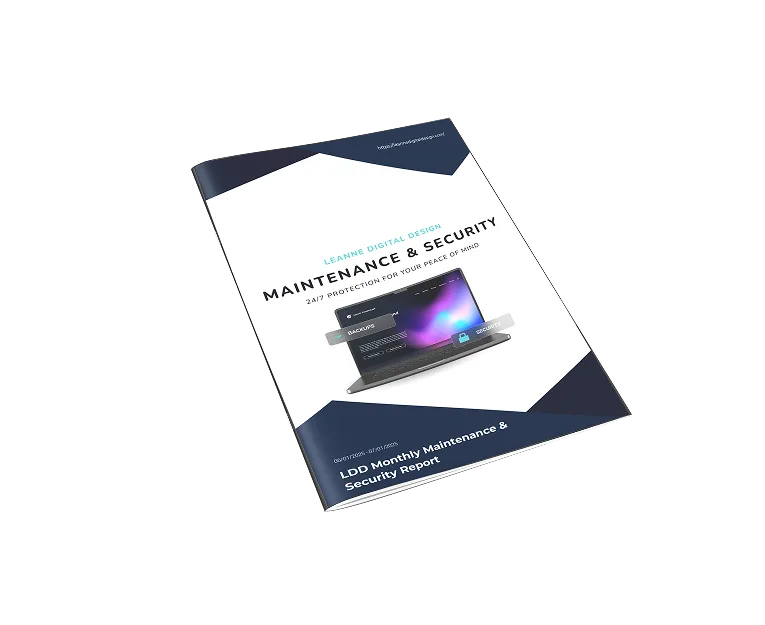
That’s where professional Website Maintenance and Security Packages make a difference. With daily backups, plugin updates, 24/7 monitoring, and malware protection, you can protect your site without the stress of doing it all yourself.
Whether you’re a small business needing essential coverage or an established company looking for advanced performance and priority support, there’s a package to fit your needs.
You can explore the plans here: Website Maintenance & Security Plans
Keeping your site secure means more than avoiding headaches — it means protecting your customers, your reputation, and your business future.
Work with us
Want someone watching your website?
This post covers why security is as important as design, what goes wrong when it is ignored, and what a site actually needs to stay safe.
If you want help with website management and support, contact Leanne Digital about a care plan.
Frequently Asked Questions
What is website security?
It is the work of keeping hackers out, protecting customer data, and keeping the site online. That includes updates, backups, monitoring, and a host that is actually maintained.
Is WordPress less secure than other platforms?
WordPress is widely targeted because it is widely used. A neglected WordPress site is risky. A maintained one with updates, backups, and monitoring is a proven, stable setup.
What happens if I skip updates?
Outdated plugins, themes, and PHP versions are common ways sites get compromised. Fixes after a hack usually cost more than a monthly maintenance plan.
Do you offer website security and maintenance?
Yes. Our website management plans include backups, scans, updates, and monitoring. That is the ongoing work this article is arguing for.